Bring the Jungle Home: Safari Animal Coloring Pages for Kids
Finding the right content for your next project—whether it's a printable activity pack, a branded giveaway, or a new digital product—often comes down to the assets you have on hand. When you're targeting a younger audience or families, the visual style needs to be approachable, engaging, and high-quality. That’s where this specific collection of Cute Safari Animal Coloring Pages Kids enters the conversation. It’s not just a random assortment of drawings; it’s a curated set designed to solve the specific problem of sourcing reliable, scalable artwork for both digital and physical applications.
Visual Characteristics and the "Cute" Factor
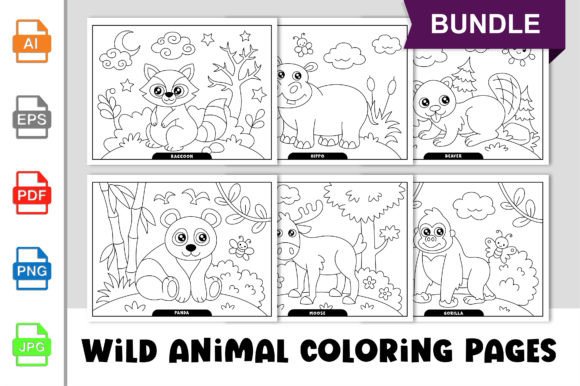
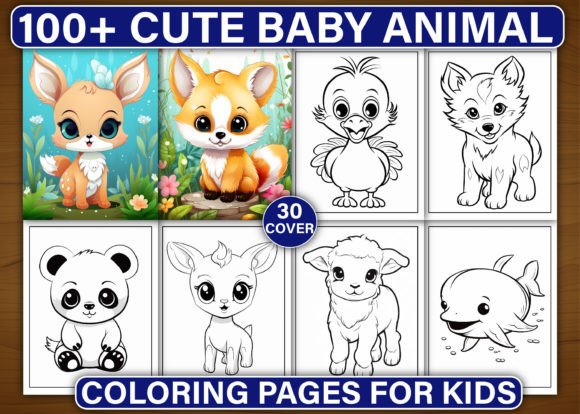
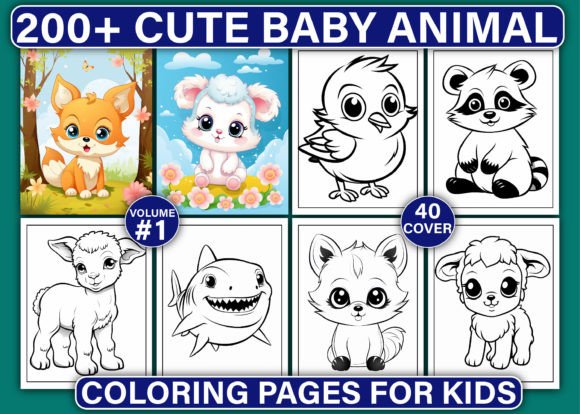
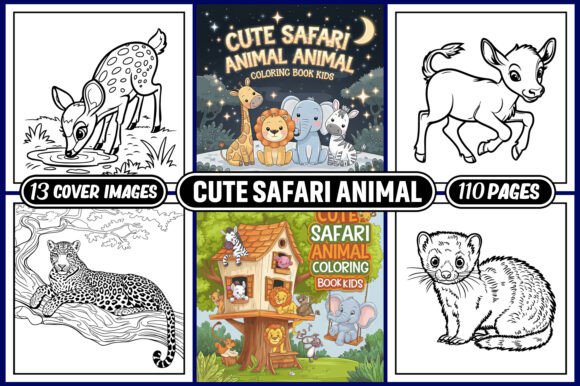
The defining trait of these pages is the illustration style. We aren't looking at hyper-realistic wildlife sketches here. Instead, the aesthetic focuses on Cute Safari Animal Coloring Pages Kids themes, meaning the animals feature exaggerated proportions, friendly expressions, and simplified anatomy. Think of lions with oversized paws, giraffes with long eyelashes, and elephants with gentle smiles. This "kawaii" or storybook style is intentional; it lowers the barrier to entry for children and creates an emotional connection immediately.
From a design perspective, this style is incredibly versatile. The lines are clean and distinct, which is crucial for coloring books where fine motor skills are still developing. There is enough detail to keep a child engaged, but not so much that it becomes frustrating. For designers and publishers, this translates to a lower return rate on print products because the usability is high. The visual personality is warm, playful, and inviting, making it suitable for educational environments just as much as it is for casual entertainment.
Asset Breakdown: Flexibility Across Formats
One of the practical challenges with creative assets is format limitations. You buy a pack, and it’s only available in one resolution or file type, forcing you to do heavy editing. This collection addresses that by providing a robust technical package. You are receiving 110 high-resolution JPEG files at 300 DPI, 110 high-resolution PNG files at 300 DPI, and a consolidated high-quality PDF file. This is a significant time-saver for anyone assembling a product.
Here is why this matters for your workflow:
- JPEGs (300 DPI): These are your workhorses for print. They are universally compatible with print-on-demand platforms like Amazon KDP or IngramSpark. The 300 DPI resolution ensures that the lines remain crisp and do not pixelate when printed on standard paper sizes.
- PNGs (300 DPI): The inclusion of PNGs is vital for digital layering. Because these files likely feature transparent backgrounds (or at least cleaner edges), they are perfect for creating social media graphics, stickers, or digital planners in software like Canva, Photoshop, or Procreate.
- PDF File: Having a ready-to-go PDF is essential for instant delivery products. If you are an entrepreneur selling digital downloads on Etsy or your own website, you can use this file immediately without needing to compile the pages yourself.
Furthermore, the size accessibility (8.5″ x 8.5″ Inch) is a smart choice for the current market. Square formats are trending heavily in the coloring book niche because they are easy to color (no spine to fight against) and look great on Instagram feeds. They also fit perfectly into standard shipping envelopes, reducing logistics costs for small business owners.
Strategic Applications for Creatives and Entrepreneurs
If you are looking at these assets through a business lens, the applications extend far beyond a simple coloring book. For marketers and content creators, these images serve as excellent "lead magnets." You could offer a free printable page in exchange for an email address. It’s a low-cost, high-value transaction that builds your list while providing genuine utility to your audience.
For brand strategists, if you are building a brand identity for a daycare, a pediatric clinic, or a children’s clothing line, these illustrations can inform your visual language. While you wouldn't use the raw coloring pages as a final logo, the style—rounded edges, friendly animals, soft aesthetics—can guide your mood board and art direction. You can use the PNG files to mock up merchandise like t-shirts, tote bags, or mug wraps to test product viability before investing in custom illustration.
Small business owners in the crafting niche can also benefit significantly. The bonus of 13 book covers included in this package is a practical touch that saves layout time. It suggests that the creator of the asset pack understands the publishing workflow. Instead of spending hours designing a cover in InDesign or Affinity Publisher, you have a starting point that matches the interior art style. This consistency between the cover and the interior pages is key to professional-looking publishing.
Technical Considerations and Usability
When working with coloring pages, the "white space" is just as important as the line art. High-resolution files allow you to resize elements without losing quality. For example, if you want to create a large poster version of one of the Cute Safari Animal Coloring Pages Kids, the 300 DPI JPEG will scale up much better than a low-res web graphic. This scalability ensures that your design assets remain useful as your project scope grows.
It is also worth noting the value of the PNG files for digital coloring apps. If you are a developer or content creator looking to enter the digital coloring space (apps like Procreate or Colorfy), having isolated line art is the first step in the development pipeline. You can import these lines onto a layer and create digital "paint buckets" for users to tap and fill. This versatility makes the pack a multi-purpose resource rather than a single-use item.
Final Thoughts on Workflow Integration
Ultimately, the goal of any creative asset is to reduce friction in your production process. By providing Cute Safari Animal Coloring Pages Kids in JPEG, PNG, and PDF formats at 300 DPI, this collection removes the technical barriers that usually slow down print and digital production. Whether you are a hobbyist looking for a weekend project with your children, or a publisher compiling a new activity book for Q4, the infrastructure is already built for you. The square formatting and inclusive book covers further demonstrate a practical understanding of what it takes to bring a physical or digital product to market.